Proposed Permanent Affordable Housing for Veterans
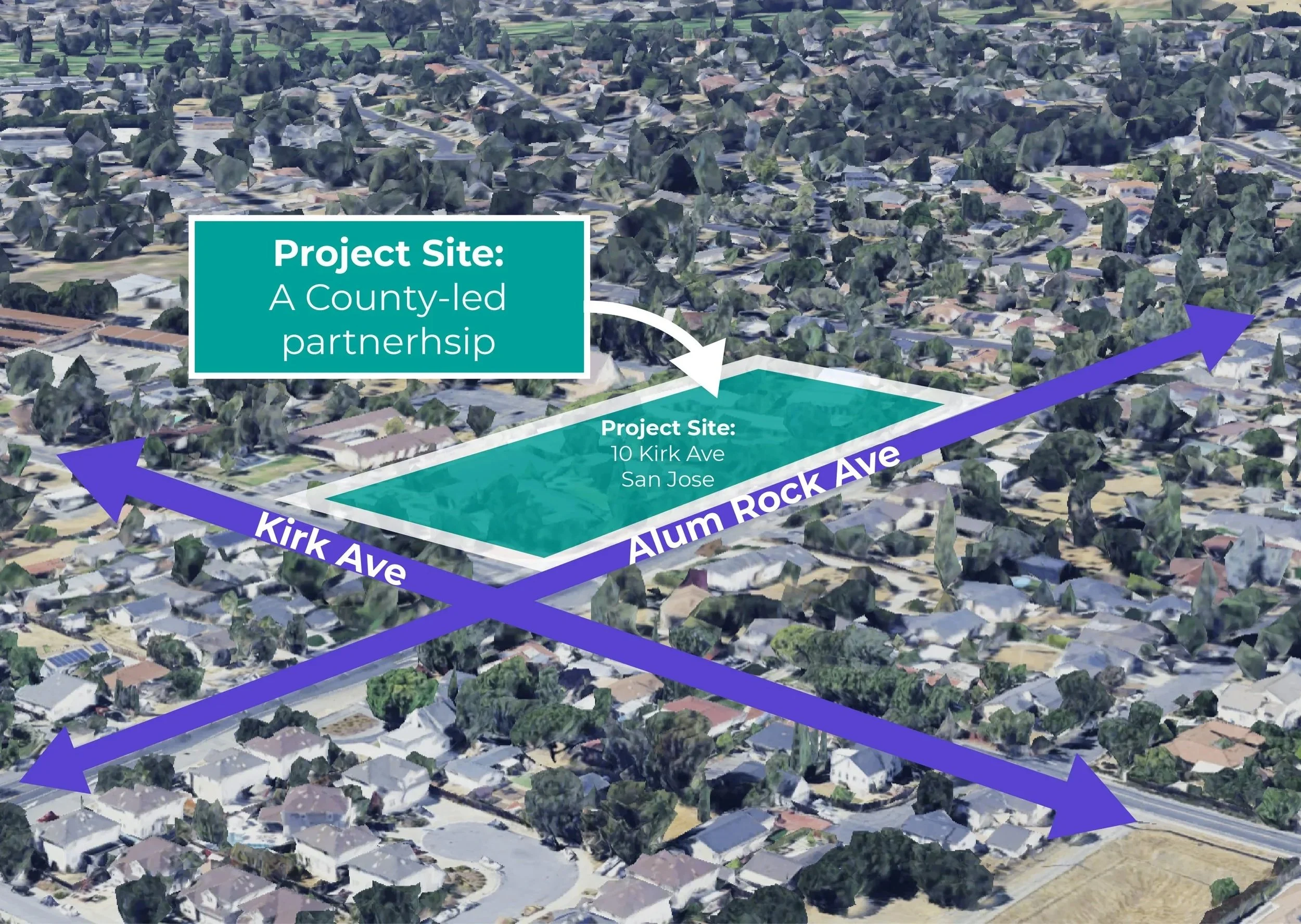
📍 10 Kirk Ave, San Jose, CA 95127
Brought to you by:
Help us envision the next chapter of 10 Kirk, a historically veteran-focused community!
Engage
with us!
Help shape the future of 10 Kirk!
Sections on this page
The site at 10 Kirk Avenue in San Jose, currently serving as a temporary shelter for veterans, offers an incredible opportunity to continue serving the veteran population with expanded, holistic services including adding permanent affordable housing options for veterans.
Led by the Santa Clara County Housing Authority and Engage FORA, in collaboration on with the County of Santa Clara Office of Supportive Housing. we are focused on the needs of veterans—ensuring their voices guide the transformation of 10 Kirk into a vibrant, supportive veteran-focused community. This aligns with the County’s overarching vision to support populations who are underserved by the current housing market.
Project Details / Upcoming Events / Join the Conversation / Community Engagement Overview /
Past Events / FAQs (coming soon) / Who Benefits from Affordable Housing? (coming soon)
/ At a Glance:
According to the County of Santa Clara’s 2025 Housing, Land Use, Environment and Transportation Committee (HLUET) Veteran Report, 3,062 veterans have been housed in the county since 2015; however, properties are at nearly full capacity in PSH (98%), RRH (100%), and HP (97%). This demonstrates that the demand far exceeds supply. Veterans, who all-too-often have experienced trauma and mental health challenges directly related to their military service, are not being served well by our current housing options. This project aims to create vibrant and restorative housing that fosters a sense of belonging, stability, restoration and peace for veterans in need.
The Proposed Phase 1 will focus on demolishing uninhabitable buildings and constructing new permanent housing for veterans. The type of housing—whether permanent supportive, general affordable, or a mix of both—will be shaped by community engagement and data on veteran needs at various income levels. Existing shelter operations will continue during this phase.
A Potential Phase 2 will either retrofit or replace the remaining four buildings. Further goal-setting is needed with the community to understand and assess current unmet needs and priorities.
Should temporary shelter remain a core function of the site, or should the focus shift toward further expanding permanent housing options?
What is working well about the existing site and buildings? What could be improved?
What services beyond housing are needed at this site?
Your answers to these questions will ensure that the future development reflects the needs and priorities of the veteran community and partner organizations.
Serving Veterans in a More Holistic and Fundamental Way
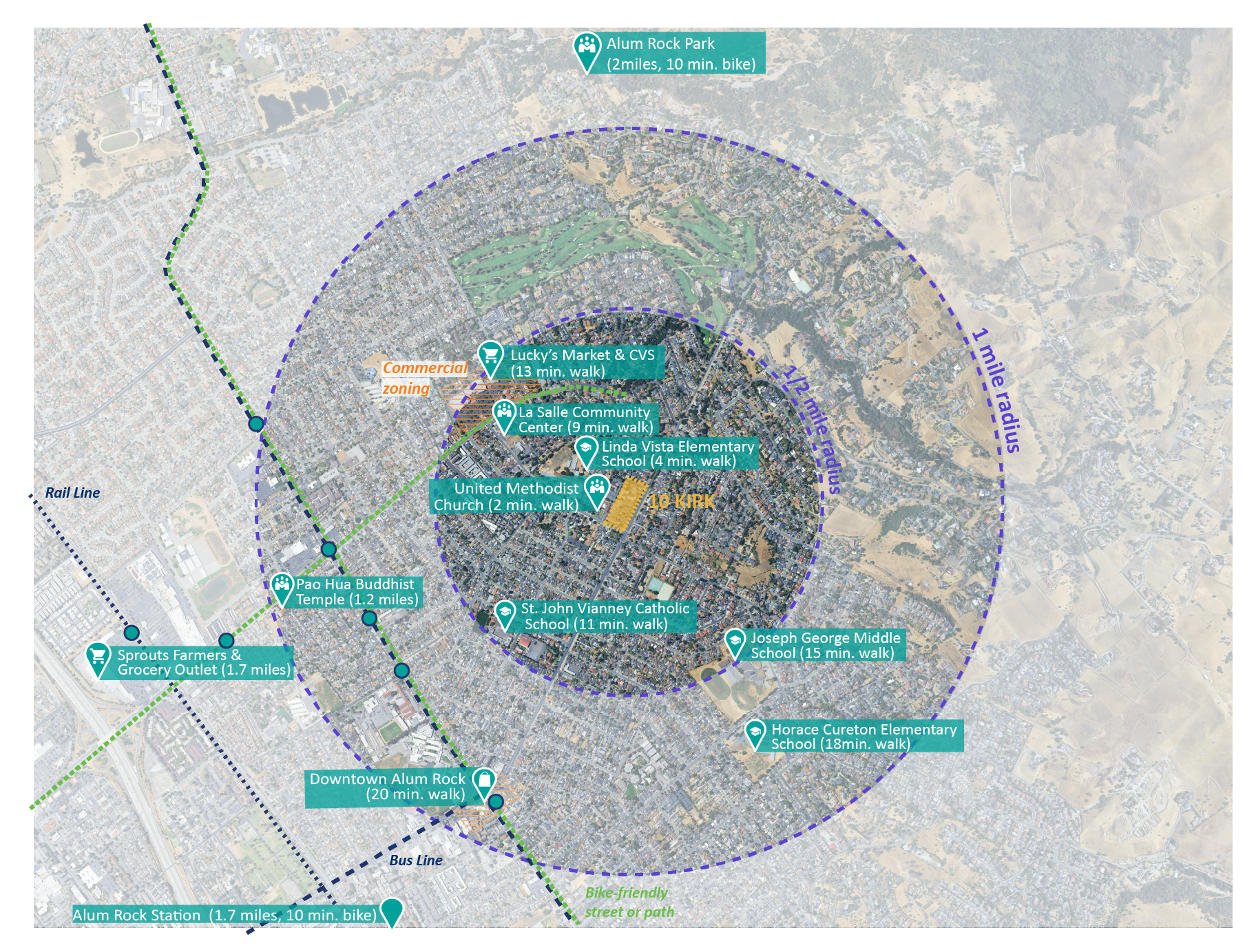
The 4.3-acre site is currently home to eight aging structures. Four of these buildings provide critical services and shelter for veterans, however, they are approaching the end of their useful life. This portion of the site includes three residential buildings and a community building with a shared kitchen. The remaining four structures have already been deemed uninhabitable in their current states.
The proposed redevelopment will occur in phases:
Upcoming Events Coming Soon!
/ Join the Conversation
Share Your Ideas💡
Can’t join us in person? No problem. Take a minute to share your thoughts about the project using the quick form below. Your input helps shape what gets built.
New questions are posted every few months—check back to stay involved!
Stay Connected📬
Sign up to join our email list - where you will receive updates on the project, upcoming events, and opportunities to get involved in shaping what gets built.
/ Community Engagement Process
Design is better when diverse perspectives are at the table. Buildings that best provide for the needs of future residents, reflect their community and place, and are deeply valued by the community, are created by listening to those they strive to serve and including them throughout the design process.
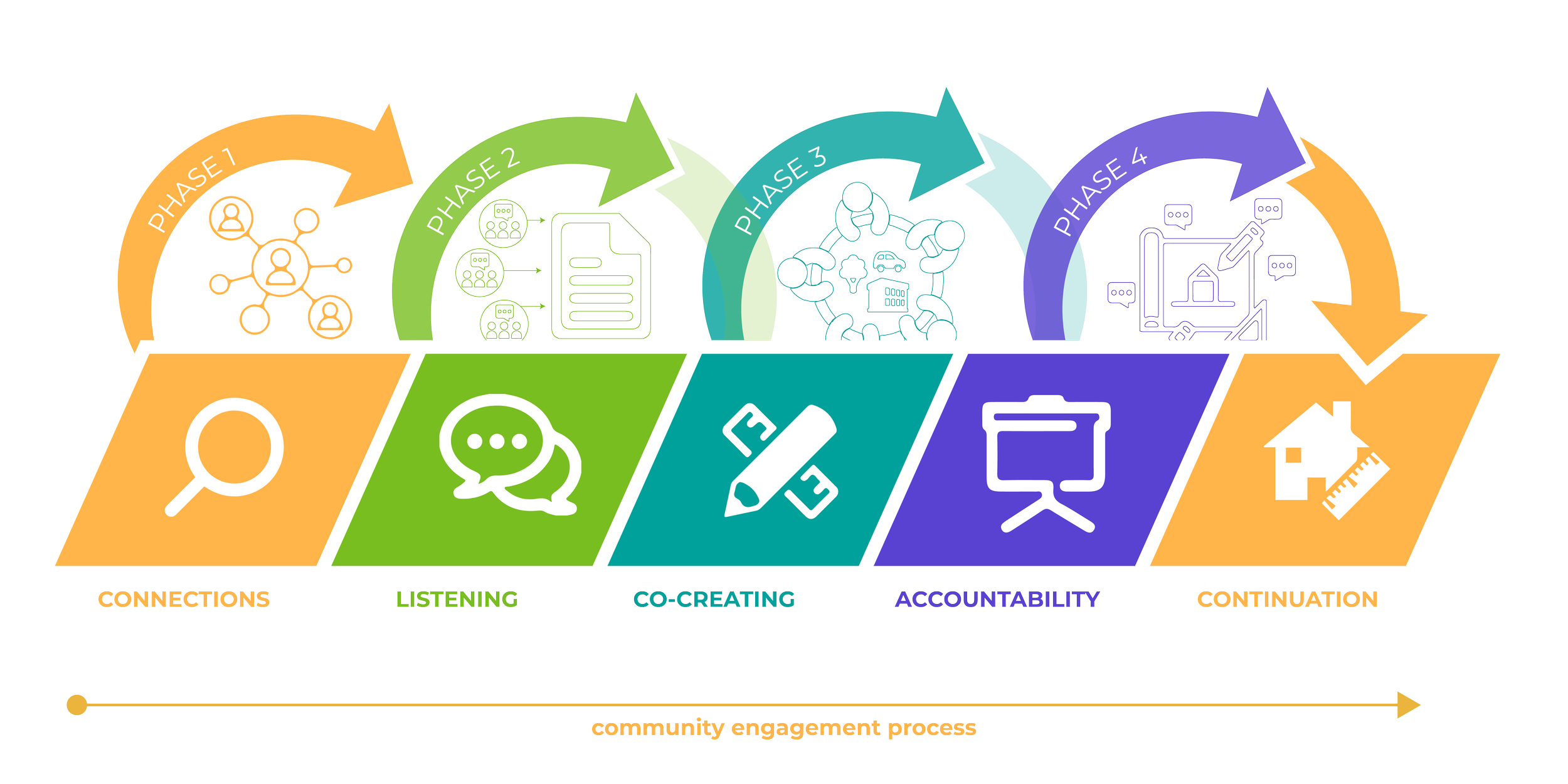
✅Phase 1 / Connections Phase
We always begin community engagement by developing an understanding of the project’s context, including its location, history, and surrounding community. During the Connections Phase, we interviewed community leaders such as community organizations, non-profits, local businesses, and neighborhood leaders to gain hyperlocal insights.
➡️Phase 2 / Listening Phase
We are now in the first public phase of community engagement process, the Listening Phase. This phase is about understanding the community’s collective values and visions. Your critical insights help ensure the project is designed to best serve its community. Once this phase is complete, we will publish a Listening Report sharing more details and findings.
Past Listening Phase Events:
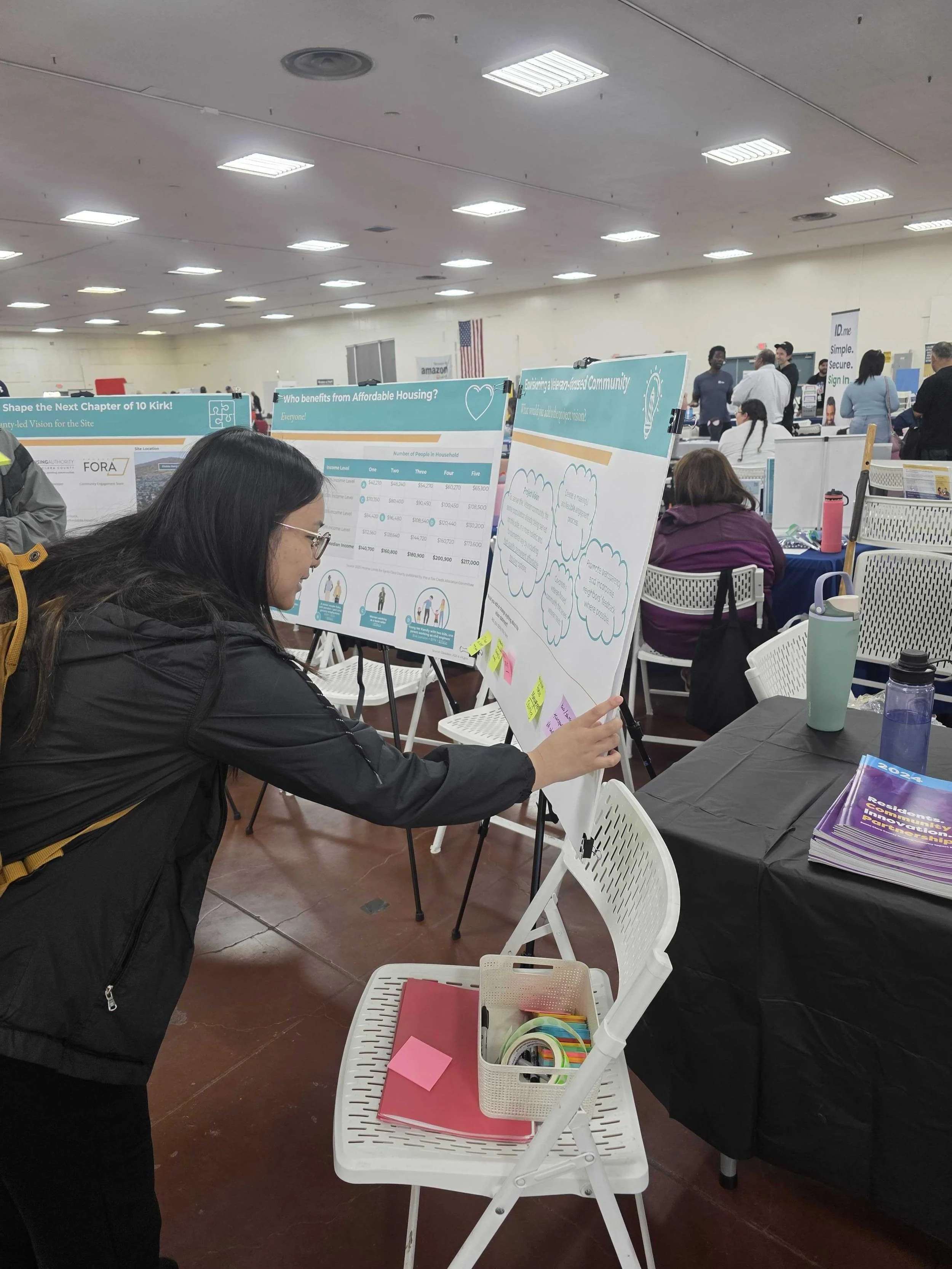
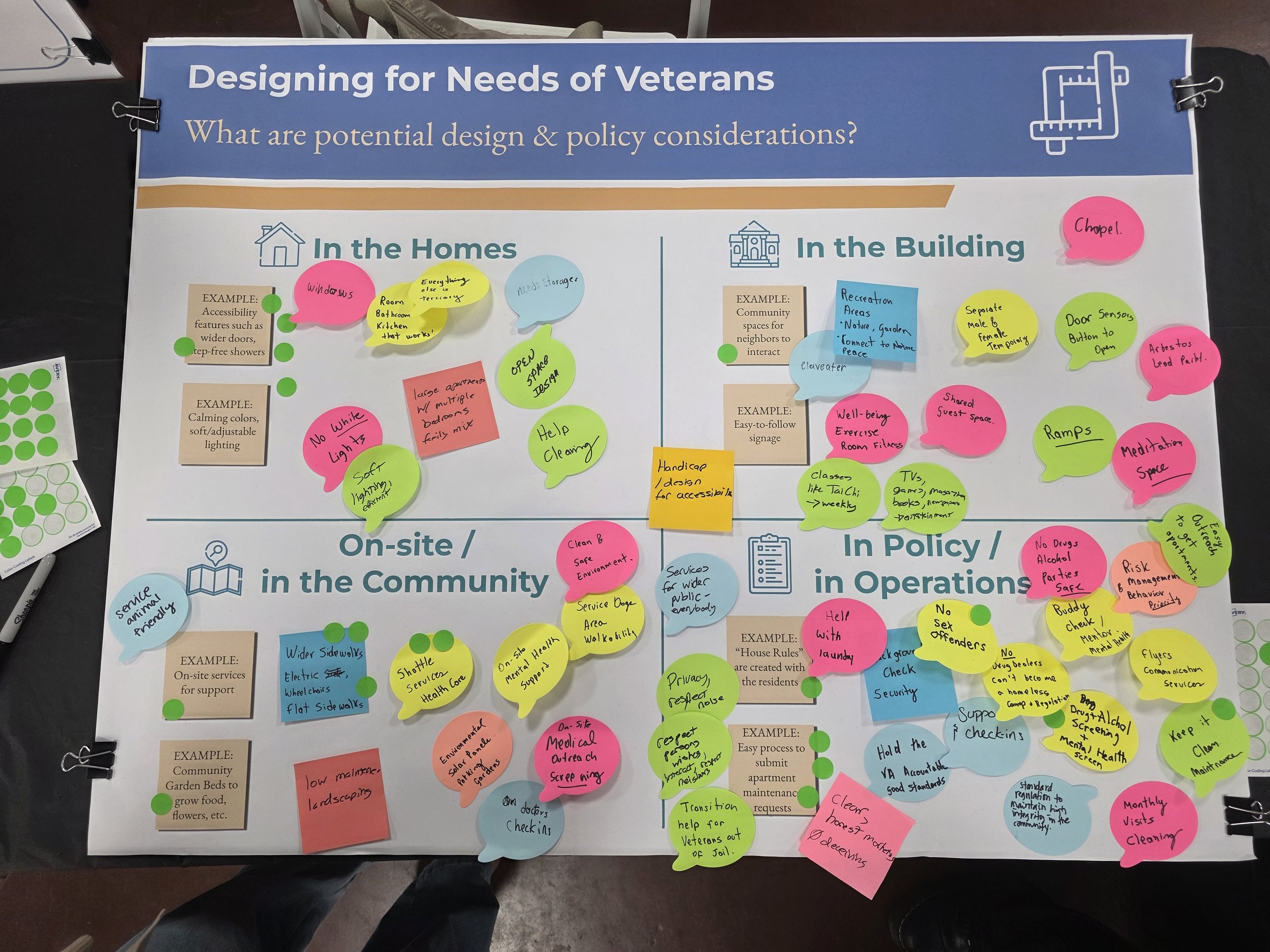
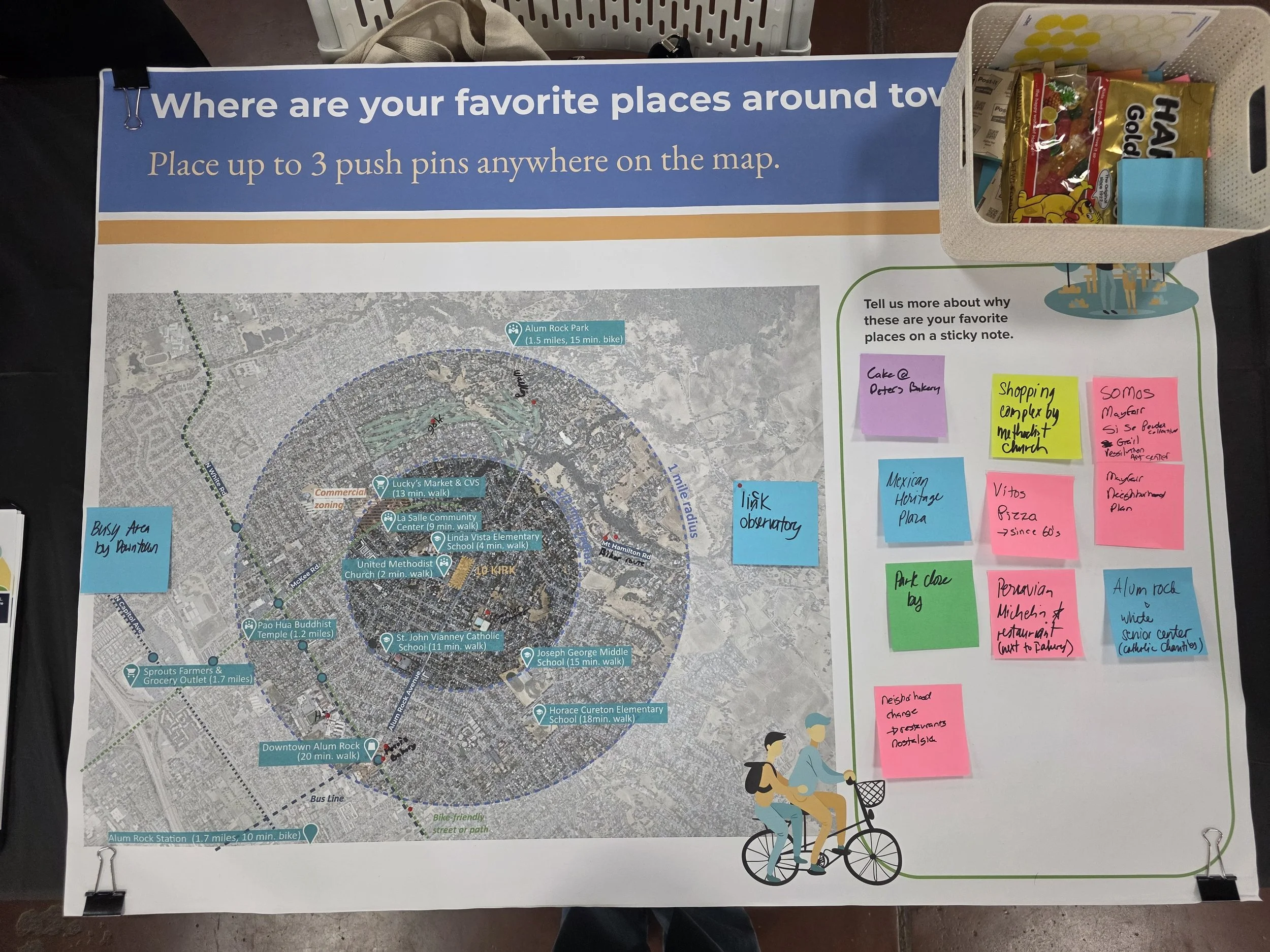
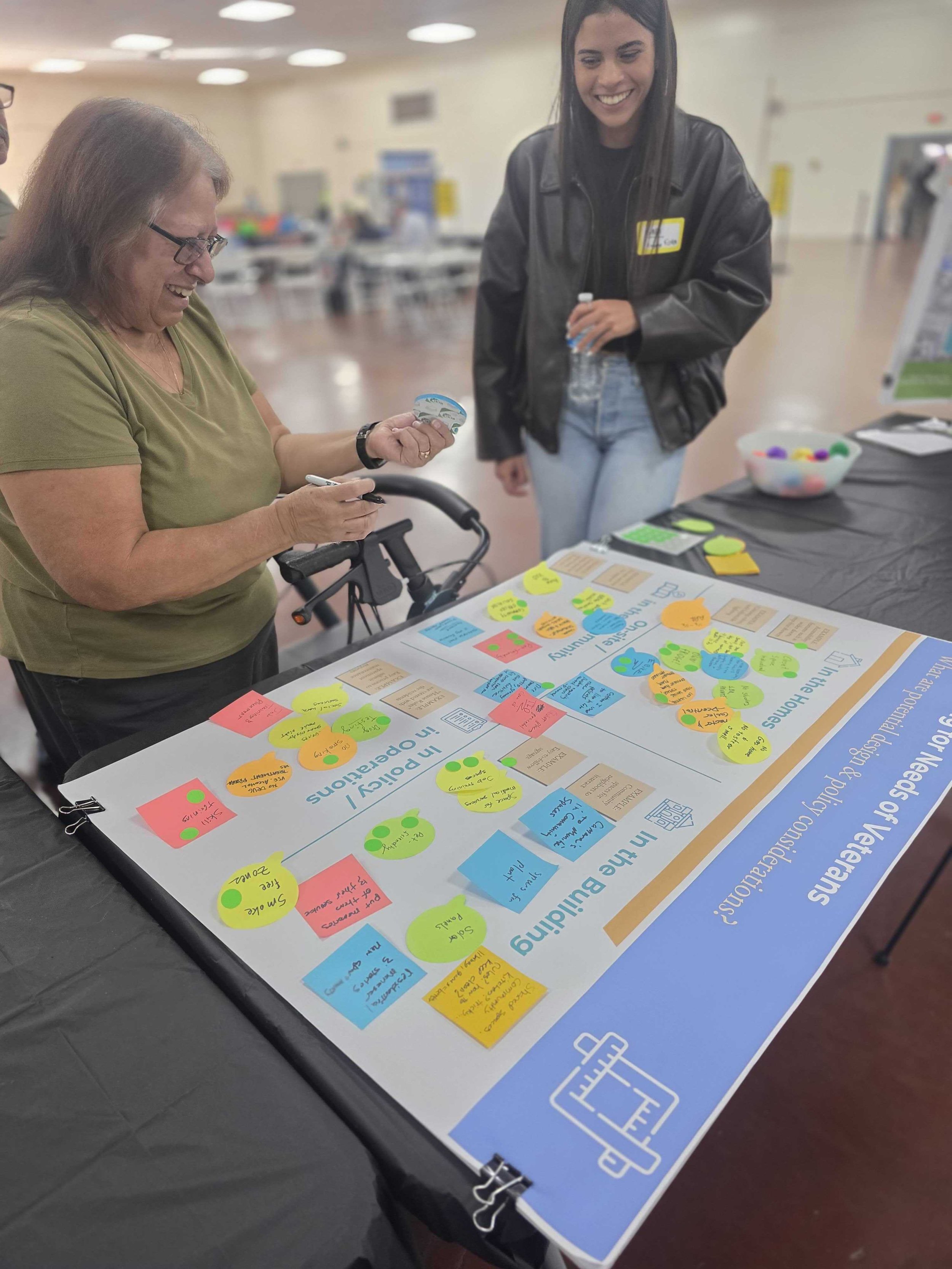
Stand Down!
The engagement team hosted a pop-up booth at the Veteran Stand Down event on November 7th and 8th, 2025 at the Santa Clara County Fairgrounds. The veteran community shared insights and input to help shape the overall vision for the next chapter of a veteran-focused community at 10 Kirk.
🔜Phase 3 / Co-creation Phase
Next we will enter the Co-creation Phase, which begins by reporting back the findings and major themes and values heard during the Listening Phase. A series of interactive design activities help inform the project design. Upholding a process based on transparency and integrity, the design team will describe the requirements and key design drivers for the development and only present feasible options. A summary of Past Co-creation Events will be added below as they occur.
Phase 4 / Accountability Phase
The Accountability Phase is a robust effort to gather and organize the valuable feedback we receive from the community throughout the engagement period, distill it into key themes and values, and clearly document how those insights are integrated into the project design. Once complete, a final report will be linked below highlighting the priorities and perspectives shared by the community and illustrating how input has meaningfully shaped the project.